Charity Shop Chills: Building a £30 Halloween Table That Looks Anything But Thrifty
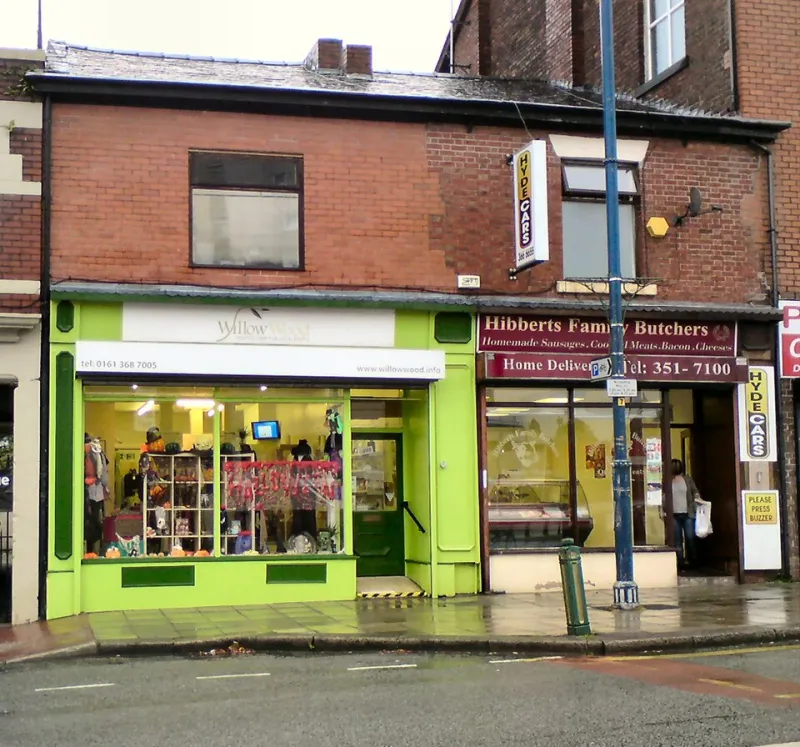
Photo: Gerald England , CC BY-SA 2.0, via Wikimedia Commons
There is a certain look to a supermarket Halloween aisle: bright orange packaging, matching plastic plates and a price tag that adds up faster than you expect. It works, but it is not the only way. A second-hand tablescape can feel richer, stranger and far more personal — and in the UK we are spoiled for charity shops, car-boot sales and community noticeboards.
The aim here is not to be smug about thrift. It is to show that £30, spent slowly and with a little imagination, can create a table that looks like it has been styled rather than unpacked.
The £30 rule — and why it is a starting point
Thirty pounds is a useful anchor because it stops the charity-shop hunt from turning into a random collection of bargains. Carry cash, set a limit and keep a running total on your phone. If you find something wonderful on week one, you do not have to buy everything else that day. Charity shops rotate stock constantly, so a second trip often yields better finds than a rushed first one.
You can also treat £30 as the maximum for bought items only. Fabric, jars, books and candles from home do not count. That is not cheating; it is the whole point.
Where to hunt: charity shops, car boots and the back of your cupboard
Start with local charity shops rather than one big chain. Hospice shops, animal rescues and church-run shops often have the best unpredictability. Look for mismatched china, dark glassware, silver candlesticks, old picture frames, lace curtains, cake stands and sturdy trays. British Heart Foundation and Oxfam shops are reliable for glass and tableware, but the smaller shops are where the odd, atmospheric pieces tend to appear.
Car-boot sales are goldmines in late September and early October. Go early with a clear list, take a bag for small items and do not be afraid to ask for a bundle price. Facebook Marketplace and local Freecycle groups are useful for larger pieces such as old wooden crates or dark fabric. And before you buy anything, raid your own kitchen: black coffee cups, mismatched cutlery, a dark scarf used as a runner and glass jars with labels soaked off can all do a job.
What to grab and what to leave
Grab: dark plates, mismatched wine glasses, silver or brass candlesticks, small frames, glass jars, plain napkins, old books with cloth covers, lace offcuts, cake stands and sturdy trays. Anything black, deep purple, charcoal, tarnished or slightly imperfect is your friend. A chipped handle can be hidden; a cracked glass cannot.
Leave: anything with a strong smell, stained fabric that will not wash, damaged electricals, cracked glassware and items that need more repair than your patience allows. Avoid Halloween-specific plastic props unless they are genuinely good; they often cost more second-hand than you expect and can look out of place beside real glass and china.
Five quick upcycles that cost pennies
- Frames into moody artwork. Remove the glass and backing from old frames, spray-paint them black or charcoal, and fill them with torn book pages, a printed moth illustration or a plain dark fabric. Lean them against the wall behind the table.
- Jam jars into lanterns. Wash jars thoroughly, wrap a little tissue paper around the inside with diluted PVA glue, and drop in a battery tea light. Group three at different heights.
- A candlestick cake stand. Glue a small plate to the top of a candlestick with strong craft adhesive. Leave it to cure properly, then use it for small pumpkins or sweets.
- Lace curtain runner. Cut a strip from an old lace curtain, hem the edges with iron-on tape and lay it down the centre of the table. It instantly softens dark plates and cheap glassware.
- Book-page bunting. Cut triangles from an old paperback, punch holes and thread with string. It is lightweight, costs nothing and looks properly spooky above a sideboard.
The £30 shopping checklist
- Mismatched dark plates or side plates: £6
- Four odd wine glasses or tumblers: £4
- Two candlesticks: £3
- Lace or dark fabric for a runner: £2
- Two small picture frames: £3
- Four glass jars: £4
- Battery tea lights: £3
- Black spray paint or acrylic paint: £5
That comes to £30 exactly, and it assumes you are buying everything. In reality, most hosts will already own jars, paint or fabric, leaving a little room for a bunch of dark foliage or a few second-hand napkins.
Setting the table: layering, height and a little drama
Start with a plain dark cloth or a sheet if you do not have a tablecloth. Add the runner, then build height in the middle with candlesticks, a cake stand and a couple of small pumpkins. Keep place settings simple: a dark plate, a glass, a napkin and one small oddity such as a single fake moth or a tiny framed photograph. Too much clutter and the table becomes hard to use; too little and it looks like a display rather than a party.
Lighting does most of the atmospheric work. Turn off the overhead light, use battery candles and one warm lamp, and let the shadows do the rest. If you are using real candles, keep them well away from fabric and never leave them unattended.
The final flourish
A charity-shop tablescape is not about pretending to be grand. It is about mixing textures, keeping colours dark and letting the odd chipped saucer earn its place. The best tables often look as though they were assembled over a few weekends — because they were. Start early, buy only what you love, and remember that a £30 table with a story behind every plate will always beat a trolley full of matching plastic.