The Allotment Table: Turning October's Garden Scraps Into a Halloween Centre Spread
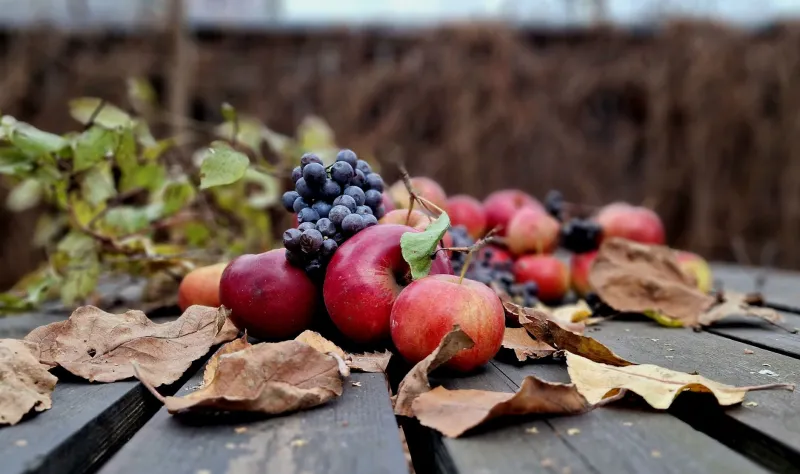
There is a point in October when the garden stops being polite. The apples drop, the seed heads go brown, the pruned branches pile up by the shed, and the allotment looks less like a tidy plot and more like the opening scene of a folk horror film. That is not a problem. That is a tablescape waiting to happen.
A Halloween table built from garden and allotment finds can look far better than one assembled from a supermarket aisle of grinning plastic. It also costs almost nothing, which is handy when you have already spent money on food, drinks and the questionable fog machine. The trick is to make it look intentional. A pile of leaves is mess; a shallow bowl of leaves with three windfall apples and a couple of candles is styling.
Start with a walk, not a shopping list
Before you buy anything, take a basket around the garden, the allotment or a willing friend's plot. Look for shape and texture rather than colour. Dried allium heads, honesty seed pods, teasels, faded hydrangea heads, twisted stems and bare branches all have that slightly skeletal look Halloween does so well. Windfall apples bring a welcome hit of red and green. Squashes and small pumpkins — especially the wonky ones — add weight and a properly October feel.
Fallen leaves are free, but they need choosing rather than scooping. Pick leaves that are dry and still whole: oak, beech, sycamore, maple if you have it. Avoid anything slimy, mouldy or crawling. A few crisp leaves scattered along a runner look lovely. A bin bag's worth dumped in the middle of the table looks like the garden bin has burst.
Forage like a guest, not a burglar
Responsible foraging is not just a nice idea; it is the difference between a charming table and a telling-off. Only take from land where you have permission. In the UK, picking flowers or foliage from council parks, nature reserves and private land without consent is not on. Even on allotments, ask before you help yourself to someone else's seed heads, however dead they look.
Take only what you need and leave plenty behind. Do not dig up plants, strip a shrub bare or take the last of anything. The Wildlife and Countryside Act 1981 protects many wild plants, and some species are protected from picking altogether. If you are not sure what something is, leave it where it is. This is especially true of berries and fungi, which can be toxic, irritant or simply not worth the risk indoors.
The good stuff — and the stuff to leave outside
Good candidates for a Halloween table include dried seed heads, pruned twigs, fallen leaves, windfall apples, small squashes, conkers, acorns and moss gathered from your own garden. Bare branches can be beautiful, but keep them away from candles and check for creepy-crawlies before they come in. A quick shake outside and a wipe with a damp cloth sorts most of it.
Leave outside anything you cannot confidently identify, especially berries. Yew, ivy berries, deadly nightshade, hemlock and foxglove are not table décor. Rhododendron and laburnum are best avoided indoors too. Even harmless-looking garden plants can be irritant to pets or small children, so keep arrangements high or out of reach if little ones are about. And if you have cats, remember that a low bowl of trailing ivy is basically a new toy with a side order of stomach upset.
Windfall apples are fine for styling, but wash them and keep them away from food you will actually eat. Bruised fruit can turn quickly, so choose firm ones and remove them after a day or two. Squashes are sturdier, but check for soft spots. This is décor, not a harvest festival competition — though a small handwritten label saying 'cooking apples' or 'allotment squash' adds a nice knowing touch.
Make it look deliberate, not dropped
The difference between a styled table and a messy one is usually restraint. Pick a loose colour story — dusty green, rust, cream, ochre, deep red — and stick to it. Group things in odd numbers. Use a few tall branches for height, a low bowl of leaves and apples for width, and one or two larger squashes to anchor the whole thing.
A plain linen runner or a length of brown paper down the middle gives the arrangement a home. Without it, small objects look scattered. With it, they look composed. Keep the centre low enough that people can see each other across the table. If you want height, put it at the ends or use a narrow branch arrangement rather than a forest in the middle of the gravy jug.
Dried hydrangea heads look unexpectedly glamorous in a jam jar. Honesty seed pods catch the light like little paper moons. A few bare twigs in a tall vase can look stark and sculptural, especially with a single tea light beside them — battery-powered, please, if the twigs are anywhere near it. Repetition helps: three jars of the same seed head, three apples in a row, three small squashes down the runner. It reads as a scheme rather than a forage.
A few properly British finishing touches
Lean into the allotment honesty of it all. Mismatched enamelware, old jam jars, brown paper place cards, garden twine, wool runners and slightly wonky handwritten labels all suit the mood. A few tea lights in clean jam jars give a warm, low glow without turning the table into a fire hazard. If you want a Halloween wink, tie a small tag to an apple with a name on it or write 'poison' in careful calligraphy on a label — then serve the actual food on proper plates, well away from the branches.
A shallow tray of moss and fallen leaves can look like a tiny woodland floor, but keep it contained. Loose moss on a white tablecloth is a regret you will discover the next morning. Use trays, bowls and cake stands to corral the messy bits, and clear away anything damp before pudding.
Before the candles come out
Dried foliage and open flames are not friends. Keep arrangements well away from tea lights, use battery candles inside anything woody, and never leave a burning candle unattended. If pets or children are joining the party, check what is within reach and move anything questionable to a high shelf. A Halloween table should feel atmospheric, not accidentally educational in the wrong way.
At the end of the night, compost what has had it, wash the apples you want to keep, and shake the leaves back outside. The table will look as though it grew there — which, in a way, it did. That is the quiet pleasure of a garden-foraged Halloween: it belongs to your patch, your postcode and whatever October decided to drop this week.