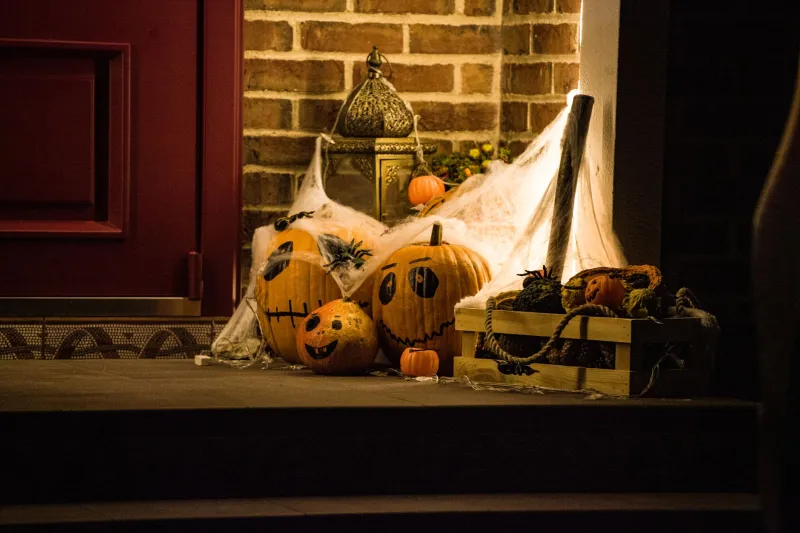
The Considerate Crypt: Layering Halloween Sound in a Small UK Garden
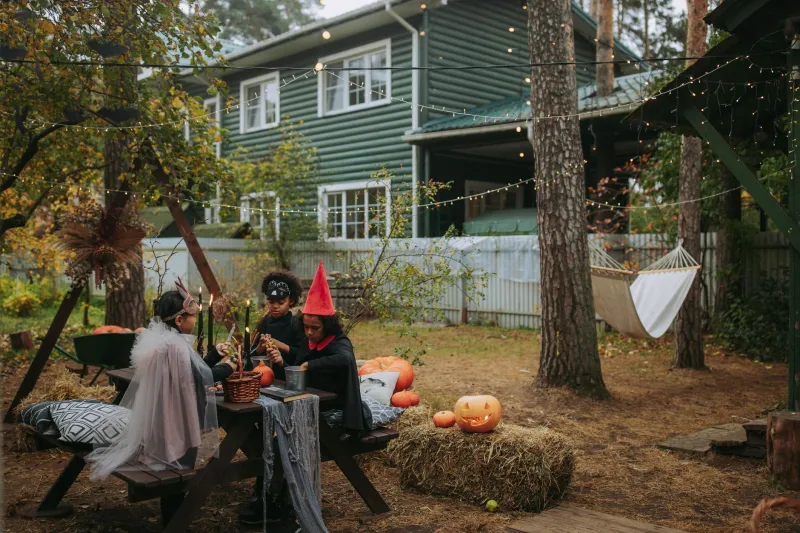
Halloween sound is a funny thing. Done well, it turns a bog-standard patio into something with a pulse. Done badly, it turns a quiet cul-de-sac into a bass-heavy complaint generator. If you are hosting a garden party in the UK this October, the aim is not to make the street hear your spooky playlist. It is to make your guests lean in.
Here is a practical, neighbour-friendly plan for Halloween 2026: hidden kit, sensible timers and a running order that knows when to whisper.
Start with a sound map, not a speaker stack
Before you buy anything or untangle a single cable, walk your garden as if you were a guest and then as if you were the neighbour. Note where people will sit, where the food table will go and where the boundary fence actually is. In a small UK garden, those three things are often alarmingly close together.
Sketch a simple sound map. Put the main speaker near the seating area, angled across the patio rather than out towards the fence. Add a second, smaller speaker for effects further down the garden if you have space. The goal is coverage inside the party zone, not broadcast range. Point speakers slightly downwards and inwards. If a speaker is firing straight at a neighbouring bedroom window, move it.
This is especially important in terraced and semi-detached gardens, where sound can travel sideways as well as backwards. A cheap trick is to place speakers on the house side of the gathering, so the music has to travel through the party before it reaches the boundary. It will still leak, but it will leak less.
Kit that can handle a British October
You do not need a festival rig. A couple of decent battery-powered outdoor speakers, a phone or tablet, and a timer plug will do more than enough for most gardens. Look for an IP rating if the kit is going to sit outside. IP65 is a sensible starting point for occasional outdoor use. Keep plugs and connections off the ground, use an RCD for anything mains-powered, and tape down cables or use a cable ramp so guests do not trip over them in the dark.
Weatherproofing is not just about rain. October brings damp, condensation and sudden temperature drops. Bring battery speakers inside overnight if you can. If a speaker has to stay out, keep it under cover with room to breathe. Do not seal electronics inside a plastic tub and hope for the best; trapped moisture is not your friend.
A timer plug or smart plug is the unsung hero of the whole setup. Set it to cut the power at your chosen finish time, then set a phone alarm as a backup. If you are using a phone or tablet for playback, put it in a cheap waterproof pouch or a sheltered spot and keep it charged. A power bank is easier than running an extension lead across wet grass.
Volume, curfew and the legal bit, without the lecture
In the UK, there is no single national garden-party curfew, but persistent or excessive noise can be treated as a statutory nuisance. Councils can and do act on complaints. The practical answer is simpler than the legal one: be the host nobody needs to complain about.
Bass is the usual culprit. Low frequencies travel further and through walls more easily than higher frequencies, so go easy on the subwoofer, or leave it indoors altogether. Keep the overall volume at conversation level. If guests have to raise their voices to talk to the person next to them, it is too loud for a garden party.
Do a boundary check before the party and again once people have arrived. Stand at the end of your garden, then at the front gate. If you can clearly make out lyrics, turn it down. If you can hear the bass thudding in your chest from the pavement, turn it down more. Ask a friend to be your sound buddy for the evening and give them permission to tweak the volume without hurting your feelings.
Many hosts choose 10.30pm or 11pm as a sensible off-switch for outdoor sound. Check your council's guidance, any tenancy terms and, most importantly, the people next door. A quick word in advance goes a long way. You do not have to invite the whole street, but a heads-up about timings is basic good manners.
DIY effects that cost less than a takeaway
You can build a surprisingly effective soundscape without spending much. Start with a base layer of low ambient sound: wind, distant owls, soft rain, a crackling fire. Free sound-effect libraries are easy to find online, but check the licence if you are using them at a public event rather than a private party.
Then add a few live effects. Dried peas shaken gently in a tin make a convincing rattle. A stiff broom dragged across stone gives you a scratchy, creeping texture. Coconut shells can do a horse-hoof click, if your Halloween leans gothic rather than farmyard. A wine glass rubbed around the rim can create an eerie hum, though it is best kept short and quiet. Rustling dried corn husks or crisp packets hidden behind a planter adds a nice bit of movement without any electronics at all.
Keep effects occasional. A sudden shriek every thirty seconds is not atmosphere; it is an alarm. One small sound every ten or fifteen minutes will make guests notice it more, not less. Record a ten-minute loop of your base layer and let it run quietly underneath the party. Then trigger the live effects yourself when the moment feels right.
A running order from family hour to wind-down
A good Halloween garden party changes gear as the evening goes on. Think of it as three loose phases.
From around 5.30pm to 7pm, keep things gentle and family-friendly. Low ambient sound, soft rustles, maybe a distant wolf howl. This is the hour for small children, arriving guests and photos before it gets properly dark. Nothing should make a toddler cry or a dog bark.
From 7pm to 9pm, you can add a little more texture. A slightly fuller playlist, a few well-placed effects and perhaps a short spooky story or poem if you have a captive audience. Keep the volume steady. Resist the urge to crank it up as the garden fills; more people actually absorb more sound, so you often need less volume, not more.
From 9pm onwards, start winding down. Drop the high frequencies, cut the sudden bangs and move to ambient sound only. By 10pm, the music should be background-level or off altogether. By 10.30pm, the whole thing should be done. A graceful ending is better than a neighbourly stand-off at the fence.
The 60-second boundary check
Before the party, walk the boundary and listen. During the party, do it again at 8pm and 9.30pm. If you can hear the playlist clearly from the pavement, it is too loud. If you cannot hear it at all from the seating area, it is probably too quiet. Aim for the middle: present in the garden, absent from the street.
Pack it down properly
When the last guest leaves, switch everything off at the plug, not just on standby. Bring battery speakers and phones inside. Coil cables loosely, check for damp and store everything somewhere dry. A labelled box with silica gel packs, spare batteries and a note of your running order will save you a faff next October. Halloween sound should be a treat, not a thing the street remembers for all the wrong reasons.