Skeletons in Common: Running a Neighbourhood Halloween Prop Library Without the Admin Headache
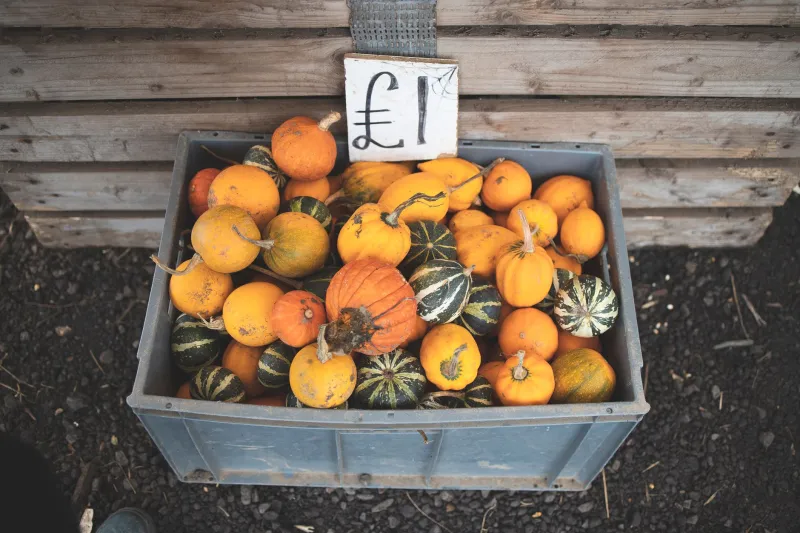
Halloween 2026 has barely cooled, and most UK streets are now facing the same familiar sight: a loft, shed or under-stairs cupboard stuffed with fake cobwebs, three plastic pumpkins and at least one skeleton that seemed like a good idea in September. The problem is not that we buy Halloween decorations. It is that we all buy the same ones, store them badly and then do it again next year.
A neighbourhood Halloween prop library is a simple answer. Not a formal club, not a council-backed scheme, just a shared box of sturdy decorations that moves between houses on your street. It suits renters with no storage, hosts who cannot justify another giant spider and anyone who likes the idea of a street that decorates together without everyone buying the same bat garland.
Start with a box, not a constitution
The quickest way to kill a good community idea is to schedule a meeting about it. So do not. Start with one plastic storage box, one willing neighbour and a WhatsApp group with a name like “Oakfield Halloween Stuff”. That is enough.
Ask five or six households whether they would be up for pooling a few reusable props. Keep the ask specific: “I have a box for shared Halloween decorations. If you have spare skeletons, lanterns or window clings you are happy to lend, I will label them and keep a list.” Most people say yes because it costs them nothing except a bit of loft space.
One person should be the keeper of the box for the season. That does not mean they do all the work. It means they know where the box lives and can answer the question “has anyone got the big spider?” without a 40-message thread.
What actually belongs in a borrow box
A prop library works best when it is boringly practical. Think durable, weather-resistant and easy to clean. Good candidates include:
- Plastic skeletons and skulls
- Faux pumpkins that will not rot
- Battery LED candles and lanterns
- Fabric drapes, cheesecloth and fake cobwebs still in their packaging
- Window clings and hanging signs
- A cauldron, a fake raven or two and any sturdy outdoor ornaments
- Spare stakes, cable ties and fishing line in a labelled bag
Leave out anything mains-powered, smoky, fragile or sentimental. A fog machine sounds brilliant until it lives in someone else’s garage and comes back with a missing nozzle. Family heirlooms, delicate china and anything that needs a plug socket should stay at home.
It also helps to separate indoor and outdoor kit. A box of window clings and fabric banners should not be shoved in with muddy garden stakes. Two smaller boxes beat one enormous one every time.
Label like you mean it
You do not need barcodes or a scanner. You need a system that a tired parent can understand on a dark Friday evening in October.
Give every item a number and attach a luggage tag with a cable tie. Write the owner’s initials on the tag. Keep a shared note on your phone with the item number, a short description, the owner and the box it lives in. A photo helps for things like “large spider, missing one leg”.
Tape a contents list inside the lid of each box. That way, anyone opening it can see what should be there without opening a spreadsheet. When something is borrowed, add a line to the shared note: item, borrower, date out, expected return. A message in the group chat is fine too, as long as the keeper of the box knows where to look.
This sounds fussy. It is not. It is the difference between a scheme that runs for three years and a box of unclaimed skulls that nobody wants to talk about.
Rules that fit on one side of A5
Long rule lists are the enemy of neighbourly goodwill. Keep it to a handful of sensible points and pin them to the inside of the box lid.
A workable set looks like this:
- Borrow up to three items per household
- Collect in the week before Halloween and return by the first weekend of November
- Clean and dry everything before it goes back
- Remove batteries from anything battery-powered
- Tell the keeper if something breaks; nobody expects perfection
- Do not lend items on to someone else without asking
- First come, first served, unless two people really want the same skeleton
Skip deposits and contracts. If someone damages a £4 plastic bat, the social cost of making a fuss is higher than the bat. A small honesty box for batteries and bin bags is more useful than a formal treasurer.
Make the return into a swap
The post-season return is where a prop library earns its keep. Pick a Saturday morning in early November, put a flask on and invite everyone to bring back what they borrowed plus anything they no longer want. A driveway, front garden or village hall corner works fine.
Lay the kit out on a table. Let people swap surplus decorations, claim a spare lantern for next year and help pack the shared boxes. Anything left over can go to a charity shop, a local school or back into storage for next October. The point is not to run a jumble sale. It is to close the loop while everyone still remembers which skeleton belongs to whom.
This is also the moment to clean things properly. Fake cobwebs go grim after a damp British October. Fabric should be dry before it is folded. Battery compartments should be checked. A prop library that stores damp fabric in a cold shed will smell like a crypt by spring, and not in a good way.
Store it so October is easy
A shared box is only useful if someone can find it when the first pumpkin appears in the supermarket. Keep the main box somewhere dry and accessible: a garage shelf, a hallway cupboard or a spare corner of a shed that does not leak. Raise it off the floor, add a couple of silica packs and label the outside clearly.
Avoid the loft if nobody wants to climb a ladder in the rain. Avoid the garden shed if it turns into a sauna in summer and a puddle in winter. The best storage is the one that does not make the keeper sigh when someone asks for the cauldron.
Keep it human
A neighbourhood prop library should feel like a favour between neighbours, not a branch of local government. No minutes, no treasurer, no rota unless someone actually wants one. Rotate the keeper of the box each year if that keeps it fair. Welcome new households. If the scheme fizzles out, that is fine too. It cost you a box and a few messages.
The real win is not a perfect inventory. It is fewer identical skeletons bought every October and a street that has a reason to knock on a door in early November. Halloween 2026 is over. The borrowed crypt can start now.