A Kinder Kind of Creepy: Hosting a Halloween That Won’t Make Anyone Jump

Photo: cosy low light Halloween table decorations candles pumpkins no gore UK home, via www.4runnerlifestyle.com
Halloween decorating has a habit of defaulting to shock. Fake blood on the bathroom mirror, a motion-sensor cackle by the front door, strobe lights in the kitchen and something lurking at the top of the stairs. It can look brilliant in photographs. It can also be thoroughly miserable for guests who startle easily, live with sensory sensitivities or simply do not find being ambushed entertaining.
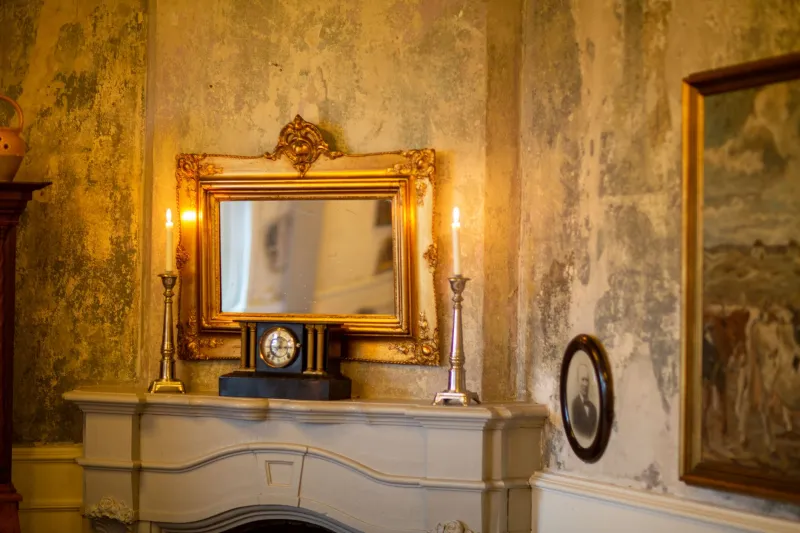
The soft-fright Halloween is the alternative. It is not a boring Halloween. It is not a beige Halloween. It is a Halloween where the atmosphere does the work, rather than a sudden noise or a gory centrepiece. Think candlelight, long shadows, paper silhouettes and a house that feels pleasantly eerie rather than actively hostile. For 2026, it feels like a genuinely sensible way to host.
Start with the guest list, not the graveyard
Before you buy another rubber severed hand, think about who is coming. A mixed group might include children, neurodivergent adults, older relatives, neighbours who do not know you well, or someone who has had a difficult year. You do not need to ask for a medical history. A simple line on the invitation works: “We’re keeping the decorations atmospheric rather than jump-scare this year. If there is anything that would help you feel comfortable, just let me know.”
That gives people permission to mention a need without making them announce it in the group chat. It also sets the tone for everyone else. If you are briefing helpers, say clearly that the theme is creepy-cosy, not haunted house. Nobody should be hiding behind a door in a mask, no matter how good the mask is.
Swap shock for suggestion
The best low-sensory decorations are the ones that imply something rather than shout it. A row of black paper bats climbing the wall is atmospheric. A full-size figure dangling in the porch is a trap. A cluster of pillar candles in mismatched holders is theatrical. A strobe light bouncing off a fake crime scene is a headache waiting to happen.
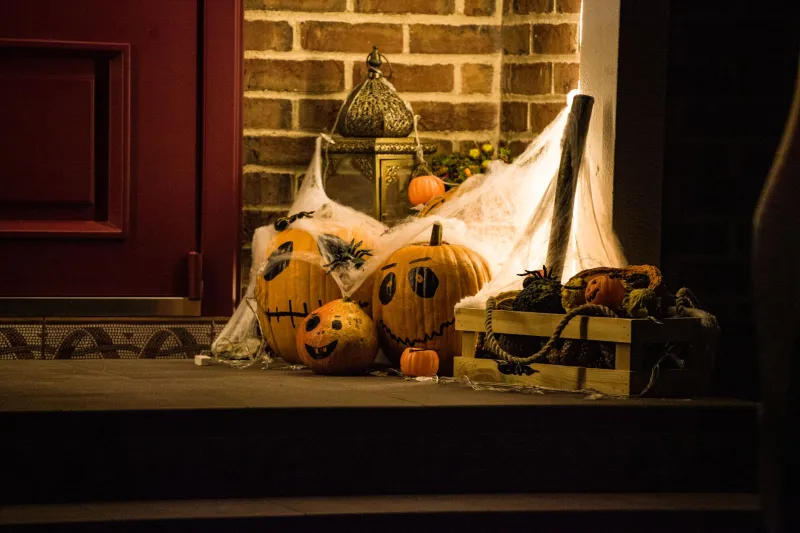
Go for texture and silhouette. Charity-shop lace, cheesecloth draped over lamps, black card cut into branches, old books stacked with a single battery tea light, and plenty of pumpkins in muted oranges, sage greens and chalky whites. Keep the palette tight and the lighting warm. You can absolutely use skulls and spiders, but put them where they can be seen from a distance rather than where they will surprise someone at close range.
Clear pathways matter too. A Halloween party should not require guests to step over cables, squeeze past a coffin in the hall or navigate a dark garden path. If someone uses a stick, has poor balance or simply feels anxious in the dark, a well-lit route from the front door to the food table is more welcoming than a maze.
Lighting that flatters rather than frightens
Strobe lighting is the obvious thing to leave out, but sudden darkness can be just as unsettling. Avoid blackout rooms, flickering bulbs that never settle, and any lighting effect that changes without warning. Warm white fairy lights, low lamps, battery candles and a dimmer switch will take you further than a smoke machine.
If you want a dramatic room, light one feature and leave the rest soft. A single warm spotlight on a pumpkin display or a garland of dried leaves looks intentional. A pitch-black hallway with a motion-activated scream looks like a liability.
Sound and scent need a light touch
Sound is where many otherwise thoughtful parties go wrong. A loop of thunderclaps, screaming cats and slamming doors gets old fast, and it makes conversation harder for anyone who is hard of hearing or easily overloaded. Build a quiet playlist instead: low ambient music, a little dark cabaret, maybe some vintage jazz with a spooky title. Keep the volume below the level where people have to lean in to hear each other.
Scent is just as personal. Heavy aerosol sprays, strong incense and synthetic fog can irritate eyes and airways. Dry ice looks wonderful, but it can obscure the floor and make a room feel disorienting. If you want a seasonal smell, a gentle simmer pot of orange peel, cinnamon and cloves is lovely, provided you check for allergies first. Always offer an unscented room too.
Make the quiet zone obvious and kind
A quiet zone is not a naughty corner. It is a small act of hosting that makes a big difference. Choose a spare room, a conservatory corner or even a well-lit section of hallway away from the speakers and the front door. Put a clear sign on the door: “Quiet Room — come in, sit down, no need to explain.” Add a lamp, a chair, water, a blanket and maybe a phone charger.
Tell guests where it is when they arrive, not after someone looks overwhelmed. If you live in a small flat, a quiet corner with a screen or a curtain can work. If the weather is mild, a sheltered garden bench with a heater is another option, but make sure it is not the darkest, coldest spot in the house.
Brief other guests without killing the mood
You do not need to deliver a safety lecture at the door. A short house note works well: “We’re going for creepy-cosy this year. Please avoid jump scares, gore and surprise entrances. The quiet room is the little room by the stairs.” Put it on the invite, in the group chat or on a small card by the drinks.
If someone arrives with a blood-soaked costume, do not panic. A light touch works better than a telling-off. “You look horrifying — in the best way. We’re keeping the scares gentle tonight, so would you mind keeping the mask off indoors?” Most people are happy to oblige when they understand the tone.
Keep the party flow gentle
Not every Halloween activity needs an adrenaline spike. Pumpkin painting, biscuit decorating, a spooky quiz, a paper garland station or a candlelit treasure hunt with clues rather than actors all work well. Avoid anything that involves grabbing, chasing or sudden reveals. If some guests love a thrill, give them a separate, clearly signed corner rather than putting the scare on the main route to the loo.
A soft-fright Halloween is not about watering Halloween down. It is about reading the room. A house full of warm light, dark silhouettes, good food and a genuinely creepy playlist can feel far more memorable than a collection of shocks. The aim is for guests to leave saying “that was atmospheric” rather than “I nearly dropped my drink”. That is a Halloween worth hosting.